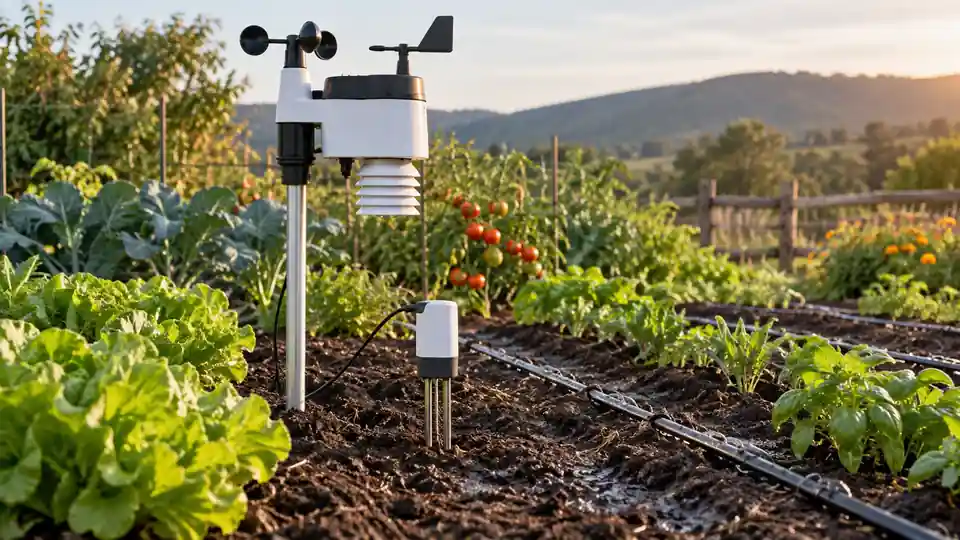
A weather station that reports temperature, humidity, or barometric pressure can tell you what the air is doing. Add a soil moisture sensor, and the picture reaches below the surface, where a dry raised bed, soggy greenhouse pot, or thirsty lawn may need attention before the plants show it. The strongest choices in this category combine a useful weather gateway or console with a sensor system that can track soil conditions in a practical location.
The main buying trap is treating every wireless soil meter as a complete weather station. Some products include a Wi-Fi gateway and soil sensor, while others are add-on sensors that need a compatible console or hub. Wireless transmission also does not automatically mean Wi-Fi or remote access. Check which measurements are included, which gateway is required, how often readings update, and whether the sensor can cover the depth and planting area you care about.
Different properties need different arrangements. A gardener may want simple moisture readings, a greenhouse owner may prefer soil temperature as well, and a connected home may benefit from app alerts or smart-home automation. The ECOWITT GW1206 is the strongest overall package here because it combines a Wi-Fi gateway with indoor conditions and a WH51 soil sensor, while the other picks fill useful gaps in depth, expandability, smart-home support, or cost.
If you want a quick overview first, the table below highlights the main differences and links directly to each detailed review.
Best Weather Stations With Soil Moisture Sensor Comparison Table
| Product | Best For | Weather Or Soil Data | Connectivity |
|---|---|---|---|
| ECOWITT GW1206 | Best overall connected setup | Temperature, humidity, pressure, soil moisture | Wi-Fi gateway, app, website |
| ECOWITT GW1106 | Best value gateway kit | Soil moisture, gateway-connected weather data | Wi-Fi gateway, app, Ecowitt server |
| ECOWITT WH51L | Deeper soil monitoring | Soil moisture, deep probe, local LCD | Ecowitt gateway or console required |
| AIR ALFA Soil Moisture Sensor | Soil moisture and temperature | Soil moisture, soil temperature | 915 MHz, compatible console required |
| Ambient Weather WH31SM | Ambient Weather expansion | Soil moisture | 915 MHz, WS-2000 or WS-5000 |
| ECOWITT WH51 | Adding another soil zone | Soil moisture | Ecowitt gateway or console required |
| Davis Instruments 6440 | Davis weather-station systems | Soil moisture | Weather station compatibility required |
| THIRDREALITY Smart Sensor Gen2 3-Pack | Smart-home plant monitoring | Capacitive soil moisture | Zigbee hub, smart-home platforms |
| RAINPOINT Smart Moisture Meter Wi-Fi Kit | Alerts and automatic watering projects | Soil moisture, selectable soil type | Wi-Fi hub, RainPoint app |
The detailed reviews below explain which products are complete gateway kits, which are add-on sensors, and where each one fits best.
1. ECOWITT GW1206 — Best Overall

The GW1206 is the most complete starting point in this group. Its GW1200 gateway includes temperature, humidity, and barometric pressure sensing, while the included WH51 adds wireless soil moisture monitoring. That gives a user more than a plant meter sitting alone in a pot. You can place the gateway indoors, connect it to a home network, and view the available information through the Ecowitt app or website.
The WH51 reports soil moisture after being fully inserted into the soil and is listed with IP66 protection for indoor or outdoor use. The gateway uses USB power and includes a 1.5-meter extension cable, which gives some freedom to position it away from an inconvenient outlet. A gardener checking a raised bed after a hot afternoon can use the soil reading alongside indoor conditions, while a property owner can build on the Ecowitt sensor ecosystem later.
Pros
- Includes both a GW1200 Wi-Fi gateway and WH51 soil sensor.
- Gateway measures temperature, humidity, and barometric pressure.
- Soil data can be viewed through the Ecowitt app or website.
- WH51 is listed for indoor and outdoor use with IP66 protection.
- USB extension cable allows more flexible gateway placement.
Cons
- The WH51 measures soil moisture only, not soil temperature.
- The system requires Wi-Fi configuration and gateway power.
This is the clearest choice for someone starting from scratch and wanting a connected soil-monitoring setup rather than a replacement sensor. It also leaves room for expansion through the Ecowitt ecosystem. Buyers who already own a compatible gateway may save money with a sensor-only option, while those wanting a local screen should look at the WH51L or a compatible console.
To buy this product, click here.
2. ECOWITT GW1106 — Best Value Gateway Kit

The GW1106 follows a similar connected approach with a GW1100 Wi-Fi gateway and WH51 soil moisture sensor. It suits someone who wants app and web access without assembling a gateway and sensor separately. The WH51 sends readings to the gateway, and the product information describes support for Ecowitt app viewing, server graphs, history downloads, and email alerts.
That combination makes the kit useful for a garden where watering decisions happen from a phone rather than beside the plant bed. The gateway can support up to eight WH51 soil channels when paired as described in the listing, so one sensor can become the first part of a larger monitoring layout. Keep the system boundaries clear, though. The kit does not include a full outdoor wind and rain array, and the WH51 cannot display readings by itself.
Pros
- Combines the GW1100 gateway with a WH51 sensor.
- Supports app viewing and Ecowitt server history features.
- Listing describes email alerts and downloadable soil history.
- Supports up to eight WH51 soil channels with the GW1100.
- Useful foundation for indoor plants, lawns, and garden beds.
Cons
- The WH51 cannot display soil readings without a gateway or console.
- The kit does not provide a complete wind and rainfall sensor array.
Choose this over the GW1206 when the GW1100 feature set and lower-cost entry point fit better. It is especially practical for a connected garden where historical moisture graphs and alerts matter more than a large dedicated display. Someone who needs direct readings at the soil line should consider the WH51L instead.
To buy this product, click here.
3. ECOWITT WH51L Soil Moisture Sensor — Best for Deeper Soil Monitoring

A shallow probe can tell you whether the top layer is damp, but deeper beds sometimes need a reading farther below the surface. The WH51L uses a 1-meter PVC cable and separate probe, with product information describing measurement down to almost 80 centimeters. Its built-in LCD also shows real-time soil data locally, a useful touch for someone standing beside a greenhouse bench with muddy gloves.
The sensor still belongs to the Ecowitt ecosystem. A gateway or compatible console is required for app or network access, and the listing says up to eight WH51L channels can be supported by certain gateways and consoles. The probe is listed with IP68 protection, while the sensor body should be positioned at least 20 centimeters above the soil to help maintain radio transmission.
Pros
- One-meter cable supports deeper soil placement.
- Built-in LCD provides a local moisture reading.
- Probe is listed with IP68 protection.
- Supports Ecowitt gateways and selected consoles.
- Up to eight WH51L channels are supported by listed gateways.
Cons
- Gateway or console is required for app and network access.
- Longer cable installation requires more care around beds and planting areas.
This is the better fit for deep planters, raised beds, or soil profiles where a surface reading may not tell the whole story. It gives up the simplicity of a compact all-in-one sensor, but the LCD and cable probe make the extra setup meaningful. It is less suitable for a buyer who wants a complete system in one box.
To buy this product, click here.
4. AIR ALFA Wireless Soil Moisture and Temperature Sensor — Best for Soil Temperature

The AIR ALFA earns attention by measuring two soil conditions rather than moisture alone. Its product information lists soil moisture from 0% to 99% and soil temperature, with readings grouped into five labels ranging from Very Dry to Very Wet. That sort of display can be easier to interpret at a glance than a bare number, especially when checking several planting zones from one compatible console.
It uses 915 MHz transmission and updates every 60 seconds, with a listed open-air range of up to 492 feet. That figure describes a straight-line maximum, not a promise through walls, sheds, or metal structures. The built-in channel switch supports seven channels, making the sensor useful for separating a lawn, raised bed, greenhouse area, and container group if the receiving weather station supports it.
Pros
- Measures both soil moisture and soil temperature.
- Provides five easy-to-read moisture categories.
- Updates every 60 seconds according to the listing.
- Supports seven selectable channels.
- Listed 915 MHz transmission suits US-market systems.
Cons
- Requires a compatible weather-station console.
- Open-air transmission distance may change around buildings and obstacles.
This sensor makes the most sense when soil temperature matters alongside watering status. It is a stronger fit for a compatible expandable weather station than for someone starting with no console. Before ordering, match the channel and console requirements carefully, since a wireless frequency by itself does not prove universal compatibility.
To buy this product, click here.
5. Ambient Weather WH31SM — Best for Ambient Weather Expansion
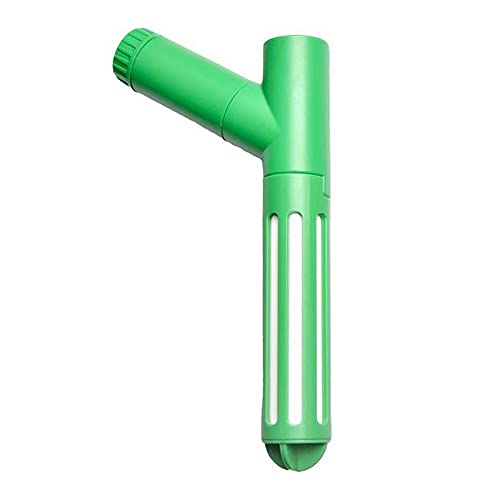
The WH31SM is a focused add-on for owners of an Ambient Weather WS-2000 or WS-5000 console. It measures soil moisture and transmits over 915 MHz, with a listed refresh rate of 71 seconds. A person already using one of those consoles can add a garden bed or container area without replacing the entire weather-monitoring arrangement.
The listing describes support for up to eight channels, which matters when a single reading cannot represent an entire property. A sensor in a sunny raised bed may behave very differently from one beneath a leafy canopy. The advertised range reaches up to 300 feet, although the product information also gives 100 feet in most conditions, so placement should be planned around walls and obstructions rather than the larger number alone.
Pros
- Made for integration with WS-2000 and WS-5000 consoles.
- Supports up to eight soil-moisture channels.
- Provides a 71-second refresh rate.
- Uses 915 MHz wireless communication.
- Compact sensor dimensions suit targeted zone monitoring.
Cons
- AA battery is required and not included.
- It is an add-on sensor rather than a complete weather station kit.
This is a sensible pick for an existing Ambient Weather setup. It avoids the waste of buying another gateway, but it has little appeal as a first purchase because the required console is separate. Its clearly stated channel support and refresh timing make it easier to plan than a generic soil sensor.
To buy this product, click here.
6. ECOWITT WH51 Soil Moisture Sensor — Best for Adding Another Soil Zone

The standalone WH51 is the natural expansion choice for an Ecowitt system already in place. It sends soil moisture data through compatible Ecowitt gateways or consoles, and the listing describes up to eight WH51 channels with certain gateways. Channel names can be edited, which is handy when the screen needs to say “tomatoes,” “lawn,” or “greenhouse” instead of presenting a string of anonymous sensor numbers.
Remote viewing is available through the Ecowitt app or web service when the required gateway and configuration are present. The product information also describes graphs, downloadable history, and email alerts through the Ecowitt server. The sensor itself does not display a reading and is intended for soil moisture only, so it should be treated as a modular component rather than a self-contained monitor.
Pros
- Supports multiple Ecowitt gateway and console arrangements.
- Up to eight channels are supported by the listed GW1100 gateway.
- Ecowitt server features include graphs and history downloads.
- Email alerts are described for server-connected monitoring.
- IP66 protection is listed for indoor and outdoor soil use.
Cons
- Cannot be used alone or display soil data directly.
- Measures soil moisture only.
Buy this when an Ecowitt gateway is already handling the heavy lifting and you need another location monitored. It is a poor match for a first-time buyer who expects a screen or Wi-Fi gateway in the package. Compared with the WH51L, it is simpler to place but lacks the cable probe and local LCD.
To buy this product, click here.
7. Davis Instruments 6440 Soil Moisture Sensor — Best for Davis Systems

The Davis Instruments 6440 is aimed at a specific weather-station ecosystem rather than broad plug-and-play use. Its supplied listing identifies it as a soil moisture sensor for a weather station, making it relevant for someone who already has compatible Davis equipment and wants to add below-ground information to the existing monitoring arrangement.
Because the available product information gives little detail beyond the product identity, buyers should avoid assuming a display, gateway, transmission method, channel count, or app function. That lack of detail is the main distinction here. The sensor may be the right component for a Davis owner, but compatibility should be confirmed against the exact station before purchase, especially when the rest of the system represents a significant installation.
Pros
- Identified specifically as a soil moisture sensor for a weather station.
- Fits buyers seeking an addition to a Davis Instruments setup.
- Focuses on soil monitoring rather than unrelated plant-care functions.
- Suitable for a modular station strategy.
- Can extend an existing weather-monitoring installation.
Cons
- The supplied product information does not specify detailed measurements or connectivity.
- Exact compatibility should be confirmed before ordering.
This pick is best reserved for an existing Davis system where model compatibility is already understood. It is less informative as a standalone purchase because the listing does not identify the supporting console or data path. Choose it for ecosystem continuity, not because the available information proves a broader feature set.
To buy this product, click here.
8. THIRDREALITY Smart Soil Moisture Sensor Gen2 3-Pack — Best for Smart-Home Automation
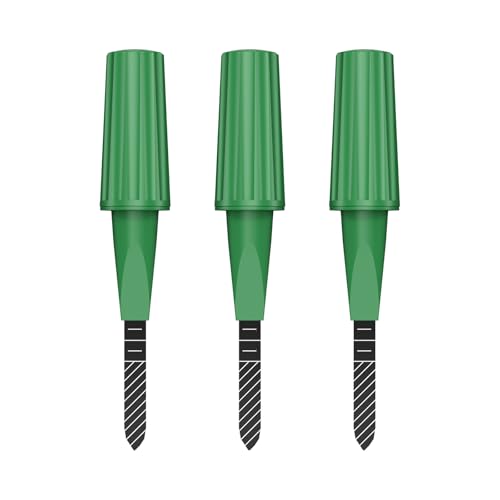
Three sensors in one package changes the scale of the monitoring job. Instead of asking whether one pot is dry, the THIRDREALITY kit can track several containers, garden corners, or planting zones through a Zigbee smart-home system. It uses capacitive moisture monitoring, which the listing describes as less affected by soil salinity and pH than traditional resistive probes.
A Zigbee hub is required, but the product information lists compatibility with platforms and hubs including Hubitat, SmartThings, Home Assistant, Homey, and selected Echo and Eero devices. Smartphone alerts and automated watering routines are part of the intended use. Apple Home and Google Home integration requires the separate Smart Bridge MZ1, so the three-pack is attractive for an established smart home but less simple for someone starting with no hub.
Pros
- Includes three capacitive soil moisture sensors.
- Supports listed Zigbee 3.0 hubs and smart-home platforms.
- Product information describes smartphone alerts and automation.
- Useful for monitoring several planting areas at once.
- Separate Smart Bridge MZ1 can extend support to Apple Home and Google Home.
Cons
- A compatible Zigbee hub is required.
- It monitors soil moisture rather than air temperature, pressure, wind, or rainfall.
This is the strongest choice for automation rather than traditional weather-station display data. Someone with Home Assistant or Hubitat can build plant alerts around the readings, while a conventional weather hobbyist may prefer Ecowitt integration. The three-pack brings useful coverage, but the hub requirement adds another piece to the setup.
To buy this product, click here.
9. RAINPOINT Smart Moisture Meter Wi-Fi Kit — Best for Alerts and Watering Automation

The RAINPOINT kit takes a plant-care approach to soil monitoring. It includes one smart soil meter and a Mini Wi-Fi Hub Gen2, allowing the meter to operate on its own for local readings or connect to the RainPoint Home app for remote monitoring. The listing describes low and high moisture alerts, push notifications, email notifications, and soil-type selection, which can make the system useful for plants with different watering needs.
The meter updates every minute according to the product information, and the kit is intended to work with other RainPoint devices for an automated watering system. That is a different proposition from a weather station gateway. It can help manage irrigation decisions, but it does not supply atmospheric measurements such as outdoor wind, rainfall, or barometric pressure.
Pros
- Includes a moisture meter and Mini Wi-Fi Hub Gen2.
- Supports low and high moisture alerts.
- Provides app push notifications and email notifications.
- Offers selectable soil type settings.
- Can connect with other RainPoint devices for watering automation.
Cons
- The system measures plant-soil conditions rather than full weather variables.
- The meter battery is not included.
This is the practical pick for someone whose priority is preventing under-watering or over-watering and receiving alerts away from the plant. It is less suitable for a conventional outdoor weather station installation. Choose it when app-based plant care matters more than wind, rain, and pressure data.
To buy this product, click here.
Buying Guide
Decide Whether You Need a Complete Gateway or an Add-On Sensor
The GW1206 and GW1106 include a gateway and soil sensor, making them the simplest starting points for connected monitoring. Products such as the WH51, WH31SM, AIR ALFA, and WH51L depend on a compatible console or gateway. An add-on sensor can be the smarter purchase when equipment is already installed, but it is a frustrating one if the required receiver is missing.
Separate Weather Measurements From Soil Measurements
Soil moisture is the defining feature of this category, but it is not the same as outdoor weather data. The Ecowitt gateway kits add temperature, humidity, and pressure through the gateway, while the AIR ALFA adds soil temperature. The RAINPOINT and THIRDREALITY products focus primarily on plant care. Decide whether you need atmospheric observations, soil conditions, or both before comparing sensor counts.
Wireless, Wi-Fi, and Zigbee Solve Different Problems
Wireless 915 MHz communication usually describes the link between a sensor and its console or gateway. Wi-Fi connects a gateway to a home network and may enable app or web access. Zigbee is a smart-home communication system that requires a compatible hub. These terms should not be treated as interchangeable, especially when planning remote alerts.
Check the Sensor Depth and Placement
A compact sensor inserted near the surface may be suitable for containers, while the WH51L uses a cable probe for deeper soil placement. Sensor body placement can also affect radio transmission. The WH51L listing recommends keeping its body at least 20 centimeters above the soil surface. Raised beds, dense plant growth, walls, and metal structures can all influence practical installation.
Treat Transmission Range as a Listed Maximum
The Ambient Weather WH31SM lists up to 300 feet, with 100 feet in most conditions, while the AIR ALFA lists up to 492 feet in open, straight-line conditions. Those figures are useful for planning, but they are not guarantees through a home, greenhouse, or shed. Walls, floors, terrain, and interference can reduce the usable distance.
Look for Alerts and History Only When You Will Use Them
Ecowitt products offer app or server-based history and alert functions when paired with the required gateway. RAINPOINT focuses on moisture thresholds, push notifications, and email. THIRDREALITY is aimed at smart-home automation. These features matter if you check plants remotely or automate watering. If you only inspect a pot every morning, a local display may be more useful than a cloud-connected system.
Confirm What Is Included
A product may support eight sensors without including eight sensors. The GW1206 includes a gateway and one WH51, while the standalone WH51 needs a compatible Ecowitt receiver. The Ambient Weather WH31SM requires a WS-2000 or WS-5000 console, and THIRDREALITY requires a Zigbee hub. Batteries, bridges, consoles, and additional sensors can change the real setup substantially.
Best Weather Stations With Soil Moisture Sensor FAQ
What Is The Best Overall Option?
The ECOWITT GW1206 is the strongest overall starting point because it includes a Wi-Fi gateway and WH51 soil sensor. The gateway also measures temperature, humidity, and barometric pressure, while the app and website provide a path to connected viewing. It is a better first purchase than a sensor-only product for most users building a system from scratch.
Do Soil Moisture Sensors Work Alone?
Some do, but many do not. The ECOWITT WH51 cannot be used alone because it needs a compatible gateway or console. The Ambient Weather WH31SM needs a WS-2000 or WS-5000 console. The WH51L also needs an Ecowitt gateway or console for app or network access, although its own LCD can show local readings.
Does Wireless Mean Wi-Fi?
No. Wireless often describes a radio link from an outdoor sensor to a gateway or console. Wi-Fi usually describes the connection from that gateway to a home network. A product can transmit wirelessly while lacking Wi-Fi and remote Internet access.
Which Pick Measures Soil Temperature?
The AIR ALFA sensor is the clearest choice in this group because its product information specifically lists both soil moisture and soil temperature. The other highlighted soil products are primarily moisture monitors. Confirm console compatibility before ordering the AIR ALFA because the sensor is intended as an add-on.
Can These Systems Monitor More Than One Garden Area?
Yes, where the supporting ecosystem permits additional channels or sensors. Ecowitt gateways listed with the WH51 and WH51L support up to eight relevant channels, the Ambient Weather WH31SM supports up to eight channels, and the AIR ALFA provides seven channel positions. The THIRDREALITY package includes three sensors from the start.
Are These Products Suitable For Remote Monitoring?
The GW1206 and GW1106 can provide app or website access after Wi-Fi configuration. The standalone Ecowitt WH51 can also reach app and server features when paired with the required gateway. RAINPOINT provides app alerts through its hub, while THIRDREALITY supports smartphone alerts through a compatible Zigbee smart-home arrangement. A local-only console or sensor does not automatically provide remote access.
Can A Soil Sensor Replace A Rain Gauge?
No. Soil moisture describes water in the soil at the sensor location. A rain gauge measures precipitation reaching the gauge. Rain can fall without immediately changing a deep soil reading, and irrigation can increase soil moisture without any rainfall. They answer different questions.
Final Verdict
The ECOWITT GW1206 is the strongest overall choice for a buyer who wants a connected starting point with soil moisture and basic indoor weather measurements in one system. It includes the gateway and WH51 sensor, supports app and website access, and leaves room for additional Ecowitt sensors. The GW1106 is a useful lower-cost alternative with similar gateway-based soil monitoring, while the WH51L is better for deeper soil placement and a local LCD readout.
Match the rest of the field to the setup you already own. Choose the Ambient Weather WH31SM for a compatible WS-2000 or WS-5000 console, AIR ALFA when soil temperature matters, THIRDREALITY for Zigbee automation, and RAINPOINT for moisture alerts and watering projects. Before ordering, verify the gateway, console, hub, battery, channel, and app requirements. The right system is the one that places the sensor where the plants grow and presents the data in a way you will actually use.